
The Japanese retainer case aesthetic, a captivating blend of artistry and practicality, reveals a profound understanding of craftsmanship and design. This intricate aesthetic, rooted in centuries of tradition, transcends mere utility, embodying a rich history and symbolism.
From the meticulous selection of materials to the symbolic representation of patterns, the retainer case aesthetic showcases a holistic approach to design. This detailed exploration delves into the history, cultural influences, and modern interpretations of this compelling aesthetic.
Defining the Aesthetic
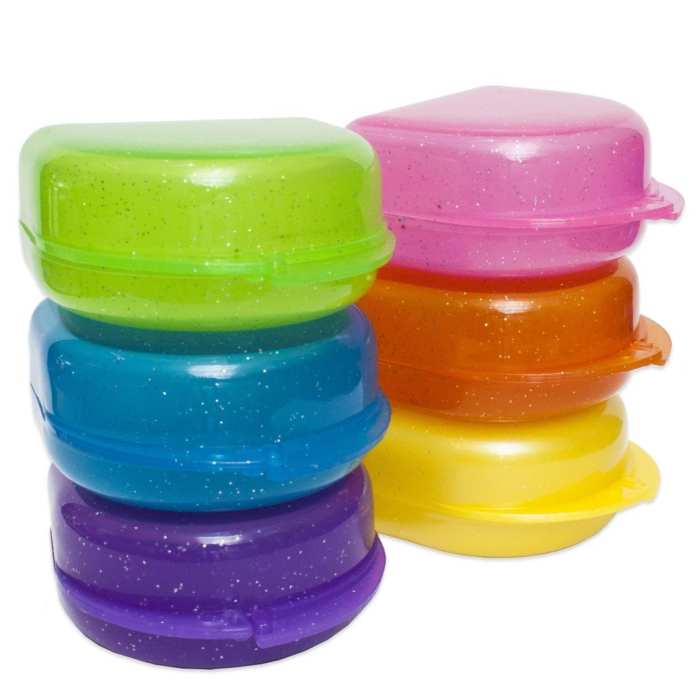
The “Japanese retainer case aesthetic” encompasses a refined, minimalist approach to design, deeply rooted in centuries of Japanese craftsmanship and cultural values. It transcends mere practicality, embodying a philosophy of understated elegance and meticulous attention to detail. This aesthetic is not merely about the object itself, but the cultural narrative it embodies, conveying a sense of serenity and respect for tradition.This aesthetic is characterized by a harmonious balance between form and function.
Retainer cases, meticulously crafted from a variety of materials, are more than containers; they are works of art that speak to the dedication and skill of the artisans who created them. The aesthetic reflects the Japanese ethos of “侘び寂び” (wabi-sabi), appreciating the beauty of imperfection and the transient nature of life.
Historical Context and Cultural Influences
The Japanese aesthetic for retainer cases is intrinsically linked to the nation’s rich history. Traditional Japanese craftsmanship, emphasizing meticulous detail and the use of natural materials, profoundly influenced the aesthetic. The concept of “mono no aware,” or the poignancy of things, is woven into the design, reflecting a deep understanding of the ephemerality of beauty and the passage of time.
Furthermore, the importance placed on social hierarchy and respect for tradition shaped the design language of retainer cases.
Key Visual Characteristics
The visual characteristics of Japanese retainer cases are highly specific, conveying a sense of restraint and sophistication. These include a preference for simple, uncluttered lines, often utilizing asymmetry in a balanced manner. The use of natural materials, such as wood, lacquer, and metal, and their inherent textures is central. Colors often evoke a sense of calm, drawing inspiration from nature.
The interplay of light and shadow on the surface of the case further contributes to the overall aesthetic. For instance, a subtly carved woodgrain pattern might be used in tandem with a highly polished lacquer finish.
Materials Commonly Used
The choice of materials in Japanese retainer cases is deeply symbolic. Wood, often meticulously selected for its grain and color, provides a strong and enduring base. Lacquer, painstakingly applied in multiple layers, adds depth and protection, enhancing the visual appeal. Metal accents, such as brass or bronze, often provide a contrasting touch, adding subtle sophistication. The selection of materials directly influences the overall aesthetic, reflecting a deep appreciation for the intrinsic beauty of each element.
These materials are not merely functional; they are chosen for their inherent qualities and the aesthetic impact they impart.
Comparative Analysis of Retainer Cases
| Type of Retainer Case | Aesthetic Characteristics | Common Materials | Examples |
|---|---|---|---|
| Traditional Wooden Retainer Case | Simple lines, natural wood grain, minimal ornamentation. | Wood (e.g., cherry, maple), lacquer. | Small, portable cases for calligraphy tools, or medicine containers. |
| Lacquer-Painted Retainer Case | Intricate patterns, vibrant colors, reflective surfaces. | Wood, lacquer, gold leaf, metal inlays. | Cases for high-value items, often showcasing the artisan’s skill. |
| Metal-Inlaid Retainer Case | Bold, geometric designs, contrast between metal and wood. | Wood, brass, bronze, or other metals. | Cases for tools, or perhaps ceremonial items. |
This table illustrates the diverse range of Japanese retainer cases and how the aesthetic characteristics vary based on the materials used. Each type of retainer case embodies a unique aesthetic, reflecting the specific function and value of the items it housed.
Key Elements and Symbolism
The Japanese retainer case aesthetic, often drawing inspiration from samurai culture, embodies a deep-seated respect for tradition and craftsmanship. This aesthetic transcends mere visual appeal, reflecting a rich tapestry of symbolism and cultural significance woven into its very fabric. Understanding these elements unveils the deeper meaning behind the meticulous details and intricate designs.The symbolism embedded within the aesthetic’s elements is not merely decorative but carries a profound historical and cultural weight.
The carefully chosen color palettes, motifs, and patterns contribute to the overall narrative, evoking specific emotions and conveying messages that resonate with viewers steeped in Japanese cultural heritage. Understanding these layers of meaning adds another dimension to appreciating the aesthetic.
Color Palettes and Their Implications
Color palettes in this aesthetic often represent specific virtues and emotions. For example, deep reds and blacks might symbolize strength, power, and resilience, while softer tones like blues and greens could evoke a sense of tranquility and harmony. The specific shades used can also vary to suggest different stages of life or particular historical periods. These nuances allow for a multifaceted interpretation of the aesthetic’s message.
Motifs and Patterns
Frequent motifs and patterns in the Japanese retainer case aesthetic often draw inspiration from nature. Bamboo, waves, and blossoming cherry blossoms are common choices, signifying resilience, dynamism, and the beauty of fleeting moments, respectively. These motifs often appear in intricate designs, emphasizing the meticulous craftsmanship involved. Other common motifs might include animals or mythical creatures, each bearing their own symbolism, contributing to the aesthetic’s richness.
Craftsmanship and Artistry
The role of craftsmanship is paramount in this aesthetic. The meticulous attention to detail, the mastery of techniques, and the skillful use of materials are not just technical aspects but crucial components of the aesthetic’s narrative. Each piece is a testament to the dedication and skill of the artisans, creating a tangible link to the past and the cultural values it represents.
The quality of the craftsmanship is often more important than the material itself.
Table: Motifs and Cultural Significance
| Motif | Cultural Significance |
|---|---|
| Bamboo | Resilience, flexibility, and strength in the face of adversity; often associated with the ability to adapt to changing circumstances. |
| Cherry Blossoms | Beauty, transience, and the ephemeral nature of life; a symbol of spring and renewal, evoking a sense of beauty and the fleeting nature of joy. |
| Waves | Dynamic energy, the forces of nature, and the ever-changing flow of life; symbolizes the dynamism and ever-changing nature of existence. |
| Dragons | Power, strength, and good fortune; often associated with emperors and nobility, and seen as a symbol of protection and authority. |
Modern Interpretations
The enduring allure of the Japanese retainer case aesthetic lies in its inherent elegance and meticulous craftsmanship. This aesthetic, rooted in traditional Japanese values, continues to resonate with contemporary sensibilities, inspiring designers and artists to reimagine its key elements in fresh and innovative ways. Modern interpretations embrace the principles of minimalism, functionality, and subtle symbolism, while adapting to current design trends.Contemporary designers often draw inspiration from the traditional forms and materials, but with a modern twist.
The emphasis shifts from purely decorative elements to a greater focus on functionality and the use of innovative materials. This allows the aesthetic to remain relevant without sacrificing its inherent beauty and cultural significance.
Modern Interpretations in Design
Contemporary designers frequently integrate the retainer case aesthetic into diverse design fields. The minimalist forms and carefully considered materials translate seamlessly into furniture, jewelry, and even architectural design. The use of natural materials, like wood and bamboo, remains a consistent element, but modern interpretations explore a wider range of textures and finishes, from sleek lacquered surfaces to raw, unfinished wood.
The emphasis on functionality and practicality allows these pieces to seamlessly integrate into modern homes and spaces. For example, furniture pieces featuring sliding or hidden compartments, inspired by the storage-focused nature of retainer cases, become increasingly popular.
Adapting to Contemporary Design Trends
The retainer case aesthetic adapts to modern design trends by focusing on key principles. Minimalism and clean lines remain central, reflecting the current preference for uncluttered spaces. Sustainability and ethical sourcing of materials are incorporated into the design process, with a growing emphasis on eco-friendly choices. The aesthetic’s inherent elegance and sophistication also find resonance in contemporary interior design, where refined simplicity is highly valued.
Comparison of Traditional and Modern Interpretations
| Feature | Traditional Interpretation | Modern Interpretation |
|---|---|---|
| Materials | Primarily natural materials like wood, lacquer, and metal. | Natural materials are still valued, but modern interpretations explore a wider range of textures and finishes, including synthetic materials with a focus on sustainable options. |
| Form | Often intricate carvings and decorative patterns, emphasizing craftsmanship. | Clean lines, minimalist forms, and a focus on functionality. |
| Symbolism | Strong emphasis on traditional Japanese symbolism and values. | Subtle incorporation of symbolism, often reinterpreted to reflect contemporary values. |
| Functionality | Emphasis on storage and practical use, but with a focus on the aesthetic quality of the objects. | Functionality is prioritized, with a focus on creating objects that serve a practical purpose in modern life. |
Comparison with Other Asian Aesthetics
The retainer case aesthetic shares common ground with other Asian aesthetics, particularly those emphasizing minimalism and natural materials. However, the retainer case aesthetic distinguishes itself through its specific focus on storage and functionality, combined with a delicate balance of artistry and practicality. The emphasis on the careful selection of materials and meticulous craftsmanship sets it apart, creating a unique and recognizable identity within the broader spectrum of Asian aesthetics.
For example, while both Japanese and Korean aesthetics value natural materials, the retainer case aesthetic places a particular emphasis on the subtle elegance of its forms and the inherent beauty of the materials. The delicate balance between minimalism and craftsmanship found in the retainer case aesthetic is a distinctive feature that sets it apart from other Asian aesthetics.
Applications and Usage

The Japanese retainer case aesthetic, rooted in centuries of craftsmanship and meticulous attention to detail, transcends its initial function. Beyond its role as a container, it embodies a philosophy of refined practicality and understated elegance. This aesthetic, with its emphasis on simplicity and functionality, continues to inspire contemporary designers.This aesthetic’s adaptability lies in its ability to seamlessly blend traditional values with modern interpretations.
The core principles of the retainer case – precision, functionality, and a sense of understated luxury – are easily translated into a variety of modern applications. The focus on quality materials and thoughtful design allows for a powerful emotional connection with the user.
Typical Uses in Historical Context
Retainer cases, historically, were primarily used to protect and organize valuable items. These items often included documents, calligraphy scrolls, and delicate instruments. The cases themselves, crafted from precious woods and adorned with intricate lacquer work, reflected the social standing and artistic sensibilities of their owners. Their functionality extended beyond mere containment, symbolizing respect for the objects within and the owner’s appreciation for artistry.
This focus on both practicality and aesthetic appeal foreshadows the enduring appeal of the retainer case aesthetic.
Contemporary Adaptations
Contemporary designers are drawing inspiration from the retainer case’s inherent qualities to create modern interpretations. The aesthetic’s emphasis on clean lines, minimalist design, and the use of high-quality materials are particularly appealing to a contemporary market. Examples range from jewelry boxes and phone cases to stationery sets and even home décor. The core principles of the retainer case – functionality, precision, and quality – continue to resonate with modern sensibilities.
Examples in Modern Products
| Product Category | Example | Key Aesthetic Elements |
|---|---|---|
| Jewelry Boxes | A minimalist wooden jewelry box with a sliding lid and compartments for rings, earrings, and necklaces. | Clean lines, high-quality wood, simple closure mechanism, meticulous organization. |
| Phone Cases | A slim, leather phone case with a precise cut-out for the phone’s screen and ports. | High-quality leather, clean lines, emphasis on the phone’s functionality while maintaining a refined aesthetic. |
| Stationery Sets | A set of fountain pens and notebooks housed in a wooden box with compartments for ink, nibs, and accessories. | High-quality wood, meticulous organization, focus on materials and functionality. |
| Home Décor | A decorative tray or container made from polished wood or lacquer, featuring a simple design. | High-quality materials, simple forms, focus on elegance and utility. |
Potential for Everyday Objects
The aesthetic’s potential extends far beyond specialized items. The principles of precision, functionality, and refined simplicity can be integrated into everyday objects, transforming the mundane into the elegant. Imagine a minimalist utensil set, meticulously crafted from high-quality materials, or a cutting board with an intricate, yet subtle, wood grain pattern. The possibility for such applications is significant.
Redesigning Everyday Items
- Utensil Sets: A set of cutlery crafted from polished stainless steel, housed in a wooden or lacquer tray, with a focus on minimalist design and impeccable functionality.
- Cutting Boards: Wooden cutting boards with intricate, yet understated, inlays or wood grain patterns, designed for both utility and aesthetic appeal.
- Storage Boxes: Simple, elegant storage boxes made from natural materials like bamboo or oiled wood, with a focus on organization and visual appeal.
- Desk Organizers: Wooden or metal desk organizers with compartments and drawers, designed to improve workspace organization and enhance the aesthetic of the desk.
- Travel Accessories: Compact and stylish travel kits for toiletries or electronic devices, utilizing high-quality materials and minimalist design.
Visual Representation
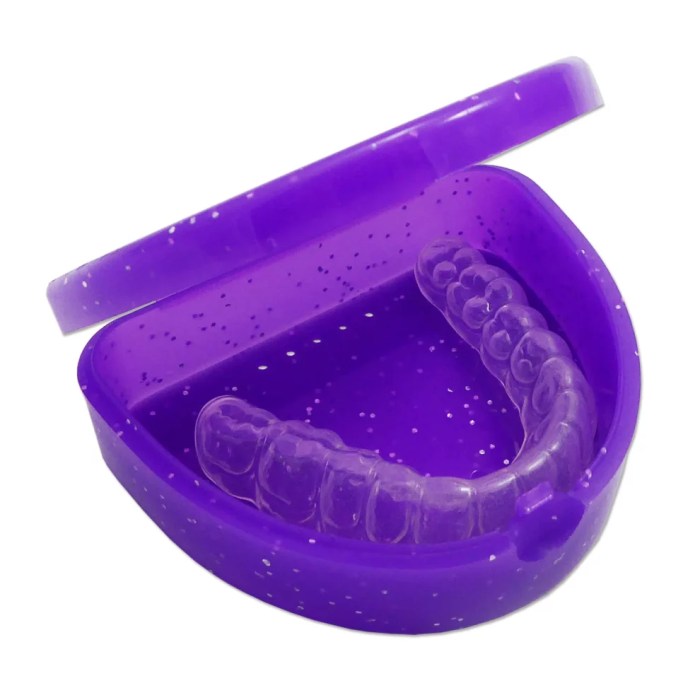
The Japanese retainer case aesthetic, steeped in tradition and meticulous craftsmanship, demands a nuanced visual representation. Beyond simple imagery, it necessitates evoking the sense of history, artistry, and refined elegance inherent in the style. Illustrations must convey the meticulous details and symbolic weight of the design, highlighting its enduring appeal.
Illustrative Techniques
Visual representations should prioritize detailed illustrations, showcasing the intricate patterns, textures, and craftsmanship of the retainer cases. Linework should be precise and deliberate, capturing the delicate curves and subtle variations in the design. Shading and color gradients are essential for conveying the depth and richness of the materials. Digital illustration tools, with their ability to achieve precise detail and a range of textures, are well-suited to this purpose.
Adding a sense of light and shadow through careful rendering of the forms will contribute to a more realistic and engaging visual experience.
Color Palettes
The color palettes for illustrations should reflect the aesthetic’s core characteristics. A palette of rich, muted tones—deep browns, charcoal grays, warm golds, and muted blues—can evoke the sense of timelessness and sophistication. Alternatively, a palette of vibrant, yet understated, colors like indigo, emerald green, and deep crimson can emphasize the artistry and elegance. The use of a single dominant color, with accents of complementary hues, can convey a sense of restrained beauty and precision.
| Color Palette | Description | Aesthetic Characteristics |
|---|---|---|
| Palette 1 (Muted Tones) | Deep browns, charcoal grays, warm golds, muted blues | Timelessness, sophistication, understated elegance |
| Palette 2 (Vibrant Understated) | Indigo, emerald green, deep crimson | Artistry, elegance, restrained beauty |
| Palette 3 (Monochromatic) | Single dominant color with complementary accents | Precision, restrained beauty, focus on craftsmanship |
Evolution of the Aesthetic
Illustrations should demonstrate the evolution of the retainer case aesthetic over time. Early illustrations could showcase simple, geometric designs with a focus on natural materials, like polished wood or lacquered surfaces. Later illustrations could portray more elaborate carvings, intricate patterns, and the use of inlaid metals or precious stones. The progression should highlight the refinement and sophistication of the design elements across different periods.
The illustrations could showcase the transition from basic forms to increasingly complex ornamentation, hinting at the evolving social and economic factors influencing the craft.
Materials and Textures
The choice of materials in the illustrations is crucial. Illustrations should accurately portray the textures of materials used in retainer cases. For example, illustrations depicting wood should show the grain and subtle variations in tone. Illustrations featuring lacquer should capture its smooth, glossy finish. The use of contrasting textures, like the smooth surface of metal against the grainy texture of wood, adds depth and visual interest.
Illustrations should evoke the tactile experience of the materials. The use of different materials will highlight the various techniques used in their creation. For example, an illustration showing the combination of lacquer, inlaid metals, and wood will convey the sophistication and skill of the artisan.
Cultural Context
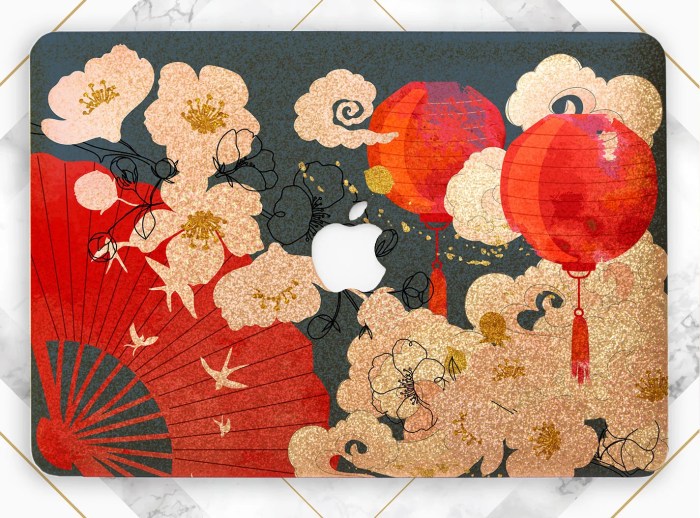
The Japanese retainer case aesthetic, deeply rooted in tradition, reflects a complex interplay of social values, artistic sensibilities, and historical contexts. Its enduring appeal stems from its ability to evoke a sense of refined elegance and cultural heritage, resonating across generations. This aesthetic transcends mere practicality, embodying a profound connection to the past and a nuanced understanding of Japanese society.The aesthetic is not merely a visual language but a powerful embodiment of societal norms and cultural values.
It speaks volumes about the roles and responsibilities of individuals within a hierarchical structure, the importance of craftsmanship, and the delicate balance between practicality and artistry.
Significance in Japanese Society
The retainer case aesthetic, encompassing design, materials, and symbolism, held immense significance within Japanese society. It was more than just a container; it was a reflection of status, profession, and personal identity. The meticulous craftsmanship and the choice of materials used in creating these cases directly correlated with the social standing of the individual who owned it. The artistry embedded in the design, from intricate carvings to carefully chosen lacquers, underscored the value placed on skill and attention to detail.
Role in Japanese Traditions and Rituals
The retainer case aesthetic played a significant role in various Japanese traditions and rituals. Its use was often tied to specific ceremonies, highlighting the significance of these objects in daily life. From tea ceremonies to formal gatherings, these cases provided both functional and symbolic value. For example, the intricate designs on some cases might have incorporated motifs reflecting Buddhist ideals or Shinto beliefs.
The aesthetic itself underscored the importance of respecting tradition and the spiritual world.
Social Implications
The design and construction of retainer cases directly reflected the social hierarchy of feudal Japan. Different materials, decorative styles, and sizes differentiated between the possessions of samurai, merchants, and commoners. This hierarchical structure was deeply embedded in the aesthetic, clearly defining social strata and illustrating the significance of status and lineage.
Relationship to Japanese Art and Design History
The retainer case aesthetic has deep roots in the rich history of Japanese art and design. It showcases the evolution of craftsmanship, aesthetic preferences, and artistic techniques across various periods. The aesthetic draws upon motifs, patterns, and decorative elements from preceding eras, adapting and refining them to create a unique identity for each period. This evolution is evident in the progression from simple, functional designs to increasingly ornate and elaborate creations, mirroring the changing social and political landscapes of Japan.
Table of Historical Periods and Influence
| Historical Period | Key Influences | Aesthetic Characteristics |
|---|---|---|
| Heian Period (794-1185) | Introduction of Buddhism, refinement of courtly life | Simple, elegant designs, focus on natural forms, use of high-quality materials. |
| Kamakura Period (1185-1333) | Rise of samurai class, increasing emphasis on martial arts | Stronger, more functional designs, incorporation of military motifs. |
| Edo Period (1603-1868) | Peace and prosperity, flourishing of arts and crafts | Ornate designs, intricate carvings, use of lacquer and other fine materials. |
| Meiji Period (1868-1912) | Westernization, modernization of Japanese society | Transitional period, blending of traditional and Western elements. |
This table illustrates the evolving nature of the retainer case aesthetic, showing how it reflected and shaped the cultural and societal shifts within Japan.
Materials and Craftsmanship
Traditional Japanese retainer cases, ornetsuke* boxes, showcase a profound respect for materials and craftsmanship, reflecting the country’s rich cultural heritage. These objects are not merely functional containers; they are miniature works of art, meticulously crafted to capture the essence of Japanese aesthetics. The selection of materials and the execution of techniques are vital to the overall beauty and symbolic value of the retainer case.The quality of materials and precision of the craftsmanship directly contribute to the aesthetic appeal and enduring value of a retainer case.
This dedication to excellence extends beyond mere functionality, elevating the object to a status of artistic expression. Natural materials, chosen for their inherent beauty and durability, are often central to the aesthetic, adding a touch of the natural world to the meticulously crafted objects.
Specific Types of Materials
Japanese retainer cases often utilize a variety of materials, each chosen for its unique properties and aesthetic qualities. Wood, lacquer, ivory, metal, and even shell are common choices. Hardwoods like cherry, ebony, and sandalwood are prized for their rich tones and intricate grain patterns. Lacquer, a resinous substance derived from trees, provides a durable and beautiful finish.
Ivory, historically prized for its smoothness and brilliance, was often used for decorative elements. Metal, such as bronze or brass, provided further ornamentation and practical applications. Shell, particularly abalone, was also used for its iridescent beauty. The combination of materials often reflects the symbolism inherent in the retainer case.
Traditional Craftsmanship Techniques
Traditional craftsmanship techniques employed in the creation of retainer cases are deeply rooted in centuries-old methods. Carving, inlay, and lacquer application are fundamental to their creation. Carving techniques, often involving intricate patterns and symbolic representations, require a high degree of skill and precision. Inlay techniques, where different materials are embedded into the base material, add depth and complexity to the design.
The application of lacquer, a painstaking process requiring numerous layers and careful curing, is critical for both durability and aesthetic appeal. The precision and patience demanded in each step reflect the meticulous nature of Japanese craftsmanship.
Importance of Quality and Precision
The emphasis on quality and precision in the creation of retainer cases stems from a profound appreciation for detail and artistry. A flaw in the material or execution can detract from the overall aesthetic and symbolic value. The intricate patterns, symbolic motifs, and subtle variations in finish all contribute to the unique character of each piece. This commitment to excellence extends to the selection of the wood grain, the alignment of inlays, and the evenness of the lacquer layers.
The result is an object of enduring beauty and artistic merit.
Significance of Natural Materials
Natural materials play a significant role in the aesthetic of Japanese retainer cases, evoking a sense of harmony with nature. The natural grain of the wood, the subtle variations in the color of the lacquer, and the inherent beauty of the shell or ivory all contribute to the overall aesthetic. These materials, sourced from the natural world, are valued for their inherent beauty and durability, reflecting the deep connection between humanity and nature in Japanese culture.
The use of natural materials emphasizes the importance of respecting and appreciating the world around them.
Using Appropriate Materials and Techniques
Creating a retainer case requires careful consideration of the materials and techniques involved. The selection of wood should take into account its hardness, grain, and color. The application of lacquer requires patience and meticulous attention to detail. Inlay work demands precise cutting and careful placement of the chosen materials. The preservation of the natural beauty of the materials is crucial to maintaining the integrity of the design.
Practicing the techniques diligently and carefully observing the intricacies of each step are crucial for success.
Comparison to Similar Aesthetics
The Japanese retainer case aesthetic, deeply rooted in the country’s rich history and meticulous craftsmanship, presents a unique blend of practicality and artistry. Examining its parallels and divergences from other Asian aesthetics offers valuable insight into its distinct character. Understanding these similarities and differences allows a more nuanced appreciation for the specific qualities that set this style apart.
Comparison with Other Asian Aesthetics
Several Asian aesthetics share common threads with the Japanese retainer case aesthetic, stemming from shared cultural values and artistic traditions. However, key distinctions exist, reflecting the unique historical and philosophical context of each. These similarities and differences underscore the intricate tapestry of Asian artistic expression.
Similarities and Differences
- Shared Emphasis on Craftsmanship and Detail: Many Asian aesthetics, including those found in China, Korea, and Vietnam, prioritize meticulous craftsmanship and intricate detail. This focus on quality materials and precise execution often overlaps with the Japanese retainer case aesthetic. However, the specific techniques and materials used, and the philosophical underpinnings of the aesthetic, vary. For instance, Chinese lacquerware often features elaborate designs and rich colors, while Korean pottery frequently showcases elegant simplicity and refined forms.
- Cultural Influences: Shared cultural influences and historical interactions have impacted the development of various Asian aesthetics. The exchange of ideas and techniques across borders has led to some stylistic overlaps. For example, the influence of Buddhism on Japanese aesthetics is evident in the minimalist design and symbolic imagery often seen in retainer cases, while similar influences are observable in other Buddhist-influenced Asian cultures.
However, the specific interpretations and expressions of these influences vary significantly.
- Material Usage: Many Asian cultures have a long history of using natural materials, like wood, metal, and lacquer. The choice of materials, often reflecting the local resources, is another common element across various Asian aesthetics. For example, wood types like cherry or maple are prevalent in Japanese retainer cases, similar to the use of certain woods in traditional Chinese furniture.
However, the methods of working with these materials and the resulting aesthetic outcomes differ.
Unique Characteristics
The Japanese retainer case aesthetic stands out due to its meticulous attention to detail, the skillful integration of function and form, and the subtle symbolism embedded within its design. These characteristics differentiate it from other Asian aesthetics, giving it a distinct identity. For instance, the emphasis on the interplay between practical use and artistic expression, a core principle in the retainer case, is less pronounced in some other styles.
Comparative Table
| Aesthetic | Materials | Design Focus | Cultural Influences | Unique Characteristics |
|---|---|---|---|---|
| Japanese Retainer Case | Lacquer, wood, metal | Function, form, symbolism, detail | Buddhist, Shinto, traditional Japanese values | Emphasis on craftsmanship, integration of function and form, subtle symbolism |
| Chinese Lacquerware | Lacquer, wood, metal | Elaborate patterns, rich colors | Confucian, Daoist influences | Bold designs, rich color palette, intricate patterns |
| Korean Pottery | Clay, glazes | Simplicity, refined forms | Buddhist, Confucian influences | Elegant simplicity, focus on form and texture |
Future Trends
The enduring appeal of the Japanese retainer case aesthetic lies in its meticulous craftsmanship, rich symbolism, and timeless elegance. As the world evolves, this aesthetic will undoubtedly adapt, integrating modern sensibilities and innovative technologies while retaining its core values. This adaptation will see the aesthetic finding new expression in diverse applications, pushing the boundaries of traditional design while maintaining a strong connection to its historical roots.The future of the Japanese retainer case aesthetic hinges on its ability to resonate with contemporary audiences while honoring its rich history.
This requires a nuanced understanding of evolving design trends, material innovations, and the cultural context in which it is presented. Emerging technologies and materials will play a crucial role in shaping future interpretations, potentially leading to a hybrid aesthetic that blends traditional artistry with modern functionality.
Potential Design Evolutions
The Japanese retainer case aesthetic, rooted in minimalism and functionality, is poised for exciting reinterpretations. Future designs might incorporate biophilic design elements, drawing inspiration from nature’s forms and textures. This could manifest in organic shapes, natural materials, and subtle color palettes evoking a sense of harmony and serenity. Additionally, a focus on sustainability will become increasingly important, with designs prioritizing eco-friendly materials and ethical production practices.
Influence of New Materials and Technologies
Advancements in 3D printing and other additive manufacturing techniques will open new avenues for creating complex and intricate designs within the aesthetic. This technology could allow for greater customization and personalization, while also enabling the creation of previously impossible forms. The use of advanced composites, incorporating lightweight materials with enhanced durability, might further refine the aesthetic’s practical application.
Furthermore, the integration of smart materials, enabling interactive or responsive features, is another potential avenue for evolution.
Impact on Contemporary Design
The Japanese retainer case aesthetic, with its emphasis on precision, detail, and symbolism, can serve as a powerful inspiration for contemporary designers across various disciplines. Its influence will likely be seen in furniture design, interior architecture, and even fashion accessories. The emphasis on quality materials, skilled craftsmanship, and thoughtful design will encourage a return to values of enduring beauty and functionality in a world increasingly focused on disposable products.
For example, the meticulous attention to detail in traditional Japanese woodworking could inspire a new appreciation for handcrafted items in contemporary furniture design. The concept of a “limited edition” piece, often seen in retainer cases, might also be reinterpreted in contemporary product design, fostering a sense of exclusivity and value.
Final Review
In conclusion, the Japanese retainer case aesthetic, with its enduring appeal, continues to inspire and influence contemporary design. The intricate interplay of materials, craftsmanship, and symbolism creates a timeless aesthetic that resonates across cultures and time periods. Its adaptability to modern applications suggests a future where this aesthetic continues to captivate.
